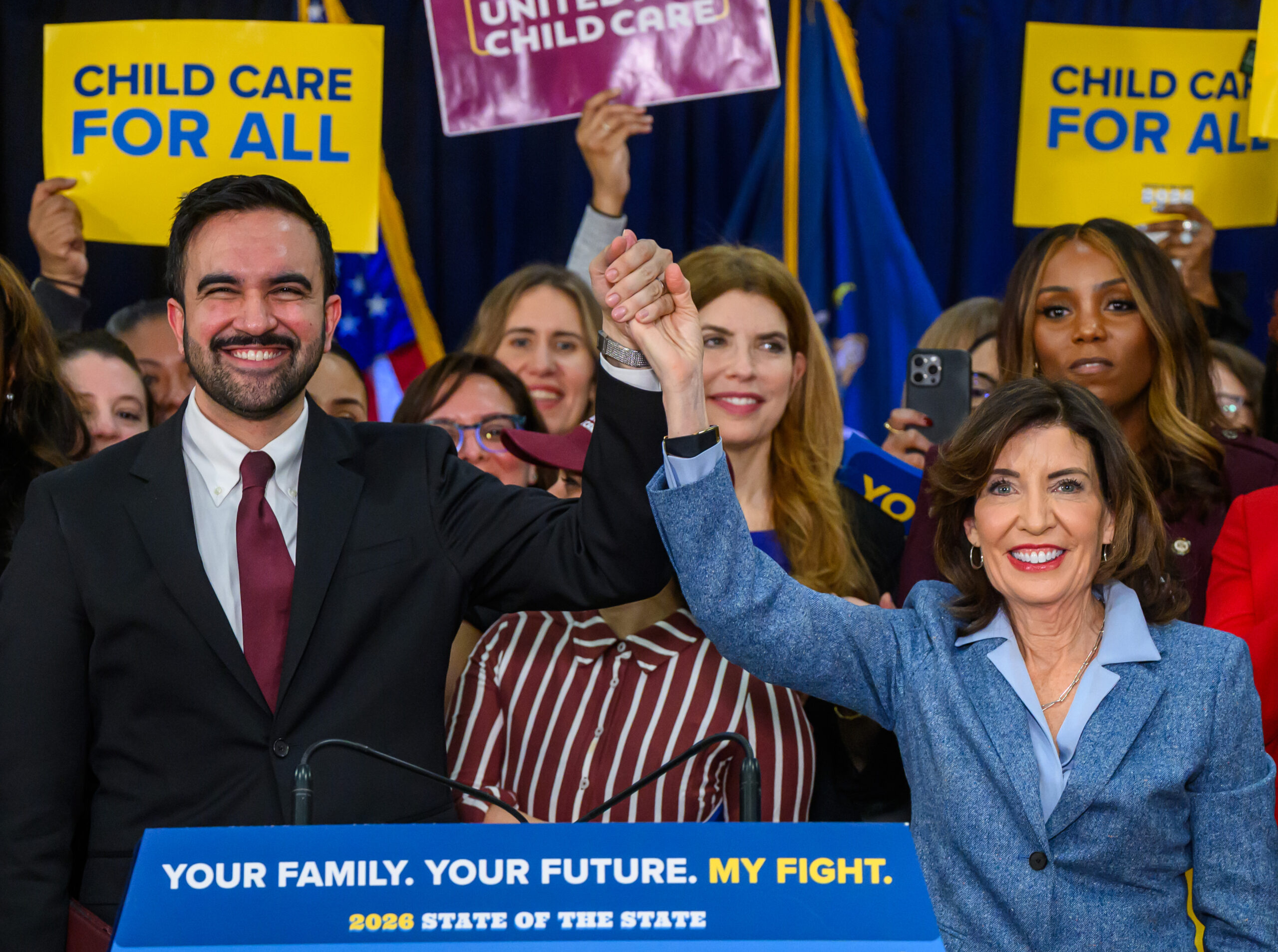
New York Governor Kathy Hochul announced a sweeping expansion of early childhood education and child care aimed at delivering universal, affordable access for children under five across the state, with a major new initiative focused on New York City. The initiative involves a collaboration with New York City Mayor Zohran Mamdani to introduce free child care for two-year-olds and enhance the city’s current 3K program.
The proposal allocates $1.7 billion in additional funding, increasing total investments in child care and prekindergarten programs for fiscal year 2027 to $4.5 billion. The administration estimates the plan will make affordable care available to nearly 100,000 additional children statewide through expanded universal Pre-K, the rollout of the new “2-Care” program, new community-based care pilots, and broader access to child care subsidies.
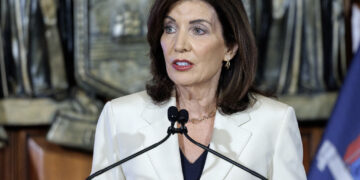
Governor Hochul highlighted the financial strain on families, noting, “There’s one thing that every family in New York can agree on, the cost of childcare is simply too high,” and emphasized that expanding access to affordable child care remains a core priority of her administration.
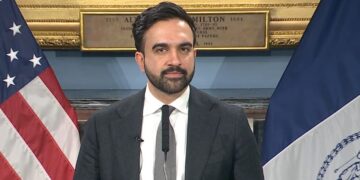
Mayor Mamdani described the announcement as a milestone for working families, remarking, “This victory represents much more than a triumph of city and state government working in partnership — it is proof that when New Yorkers come together, we can transform the way the government serves working families.”
A central component of the plan is achieving truly universal Pre-K for four-year-olds statewide by the start of the 2028–2029 school year. The state will fund new seats in districts that currently lack Pre-K and increase per-pupil funding for existing programs to ensure consistent quality across regions.
In New York City, the state will cover the full cost of the first two years of the 2-Care program, starting in high-need neighborhoods and eventually expanding to the entire city. Additional measures include expanded subsidies that cap most family contributions at $15 per week, higher reimbursement rates for providers, new capital funding for child care facilities, workforce development initiatives, and the creation of an Office of Child Care and Early Education to oversee implementation.