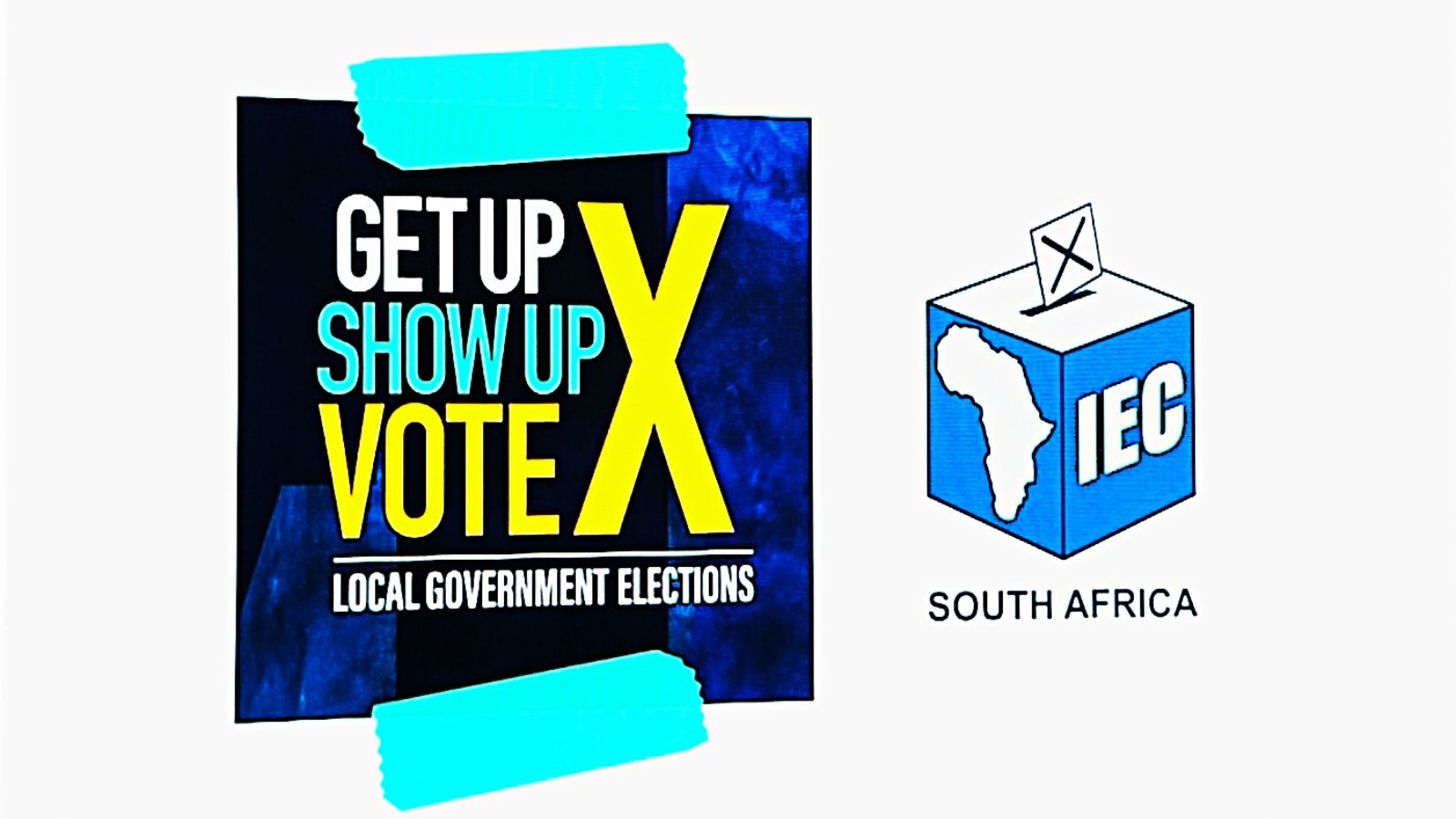
South Africa’s 2026 Local Government Elections have reshaped the country’s political landscape, with the African National Congress (ANC) suffering its worst electoral performance since the end of apartheid.
The ANC’s national vote share plunged to 30.76%, down from 45.59% in the 2021 municipal elections — a loss of nearly 15 percentage points. Although it remains the largest party nationally, its dominance over local government has weakened significantly.
The Democratic Alliance (DA) strengthened its national support, increasing its vote share from 21.66% to 24.64% and securing 1,695 council seats. The party emerged as the leading political force in five of the country’s eight metropolitan municipalities.
The uMkhonto weSizwe Party (MK Party), contesting its first local government elections, made a significant entrance, winning approximately 799 council seats in comparable council results.
The party’s strong performance in KwaZulu-Natal helped it displace the ANC as the leading party in eThekwini.
ActionSA also recorded substantial growth, increasing its council representation from 90 seats in 2021 to 320 in comparable 2026 results.
The Patriotic Alliance (PA) expanded its presence from 75 to 192 seats, strengthening its position in several Western Cape communities.
The results signal a major shift in South African politics, with voters increasingly distributing their support among multiple parties.
Coalition governments are expected to play a central role in municipal leadership, with 138 councils facing coalition arrangements.
The election underscores growing public dissatisfaction with service delivery, unemployment and governance, while presenting opposition parties with an opportunity to demonstrate that they can deliver meaningful change.